WhistleOut fast facts
- Apple anticipates “lower shipments” for new iPhone 14 models due to supply chain issues in China.
- COVID-19 shutdowns in China are impacting supply chains around the world.
- Apple is working to move some production out of China, but that is proving difficult.
- The holiday season tends to be the most profitable for Apple, with last year hitting 40 million iPhones sold.
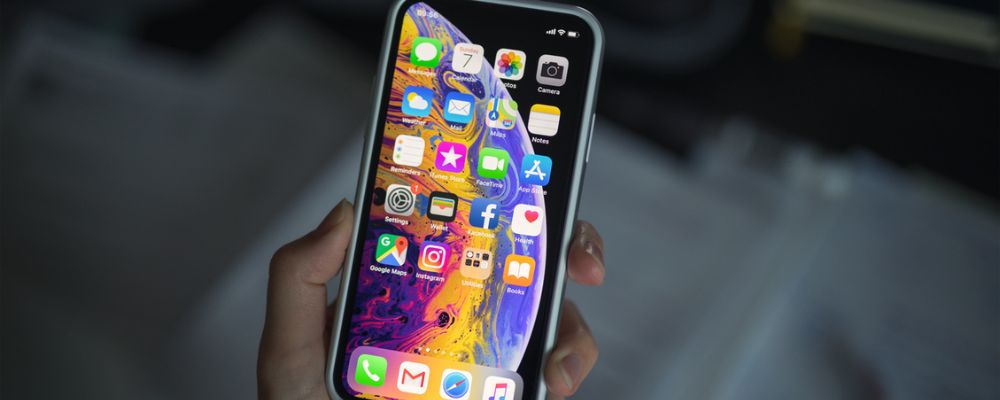
As Americans begin preparing for the 2022 holiday season, Apple announced that supply chain issues will result in “lower iPhone 14 Pro and iPhone 14 Pro Max shipments” and customers “will experience long wait times to receive their new products.”
These delays could not come at a worse time. The holiday shopping season is in full swing, and Americans are planning to shop online early this year. If Apple cannot fulfill orders, that’s money going to a competitor like Google or Samsung.
Supply chain delays from China are also exacerbating a long-held concern from global companies: are supply chains resilient? China is still the world’s largest exporter—nearly doubling the U.S.’s output—but is seeing factories shut down due to COVID-19 outbreaks combined with the country’s “zero-COVID” policy.
Apple’s recent supply chain shutdown is, unfortunately, nothing new this year. The New York Times reports that this is the second shutdown to affect Apple this year, and the company “lost about $4 billion in sales of iPads and Macs” due to factory shutdowns in Shanghai during the spring and summer.
After manufacturing iPhone devices in China for 15 years, Apple is expanding operations to India, according to a second report from The New York Times. The company will primarily use Chinese companies in India, but the geographical change could make a big difference, as China's zero-COVID policy-related shutdowns will no longer be a hindrance. But with Chinese workers and suppliers contributing a greater share to each iPhone’s production, the move out of China could prove difficult.
Does this mean Apple should look closer to home for factories and manufacturing? Local and outsourced product suppliers do have their benefits, and investing in American manufacturing could help Apple in the long run. For now, though, Apple appears keen to stay with China.It’s iPhone holiday shopping season
Apple doesn’t release unit sales figures anymore, but last year iPhones netted the company $65.6 billion in holiday sales. As consumers gear up to buy the iPhone 14 for the holidays this year, Apple faces inflation pressure and supply chain disruptions. Nevertheless, Apple reported record revenue this past quarter and hopes enthusiasts will turn up again for the newest release.
If you’re looking for the best Black Friday and Cyber Monday cell phone deals, we’ve got you covered.
All the latest cell phone news and deals, delivered every Thursday.
Alex Kerai
Consumer Trends Reporter

Find a better phone plan
Thousands of cell phone plans unpacked. All the facts. No surprises.


.png?w=280&h=280&usm=20&usmrad=0.8&fit=crop "Best Cell Phone Deals for August 2026: Get the New iPhone 17 for Free")

.jpg?w=280&h=280&usm=20&usmrad=0.8&fit=crop "Best Back-to-School Phone Deals 2026: Free iPhones, Tablets, Watches, and More")